
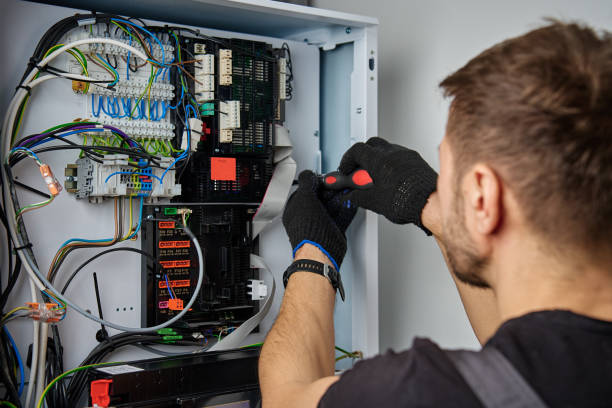

Your home’s electrical system powers essential appliances, lighting, heating equipment, and everyday technology. When electrical components become outdated, damaged, or overloaded, problems can affect convenience and safety. Recognizing warning signs early helps you arrange the appropriate repairs before a minor issue becomes a more serious concern.
Whether you are renovating an older home, installing new appliances, or investigating recurring electrical problems, hiring an electrician in Butler, PA helps ensure that electrical work is evaluated and completed according to applicable safety requirements. Professional electrical services also help homeowners understand their system’s capabilities and identify improvements that support changing household needs.
Warning Signs That Require Electrical Attention
Electrical problems do not always begin with a complete power failure. Some develop gradually, making it important to recognize changes in how your system operates.
Watch for these warning signs:
-
A. Circuit breakers that trip repeatedly.
-
B. Outlets or switches that feel unusually warm.
-
C. Flickering or dimming lights.
-
D. Burning odors near electrical equipment.
-
E. Buzzing sounds coming from switches or outlets.
-
F. Discolored outlet covers or visible electrical damage.
-
G. Frequently overloaded extension cords or power strips.
A single tripped breaker does not automatically indicate a serious fault. However, repeated trips suggest that the circuit needs investigation. Do not repeatedly reset a breaker without identifying the cause.
If you notice smoke, sparks, or a burning smell, keep away from the affected equipment. If it is safe to do so, stop using the affected circuit and seek emergency assistance when there is an immediate fire risk. Never touch exposed wiring or attempt repairs on energized components.
Electrical Panel Inspections and Upgrades
Your electrical panel distributes electricity to individual circuits throughout your home. It also contains protective devices designed to interrupt power when certain electrical faults or overloads occur.
As households add appliances, home offices, heating equipment, and other electrical loads, an older system might no longer meet their needs.
A qualified electrician can evaluate the panel’s condition, perform an electrical load calculation to assess available capacity, review the circuit arrangement, and determine compatibility with planned upgrades. Depending on the findings, the appropriate solution could involve repairing a specific issue, adding a properly designed circuit, or replacing the panel.
A larger panel is not automatically necessary for every electrical upgrade. The decision should follow an assessment of the existing equipment, service capacity, and anticipated demand.
Whole-house surge protection is another option to discuss during a panel inspection or upgrade. A properly selected and installed surge protective device can help protect connected electrical equipment from voltage surges caused by events such as lightning or utility switching.
Safe Outlet, Switch, and Lighting Installation
Outlets and switches receive frequent use, so damaged components should be addressed promptly. Loose connections, cracked covers, and malfunctioning switches can indicate problems that require professional attention.
An electrician can install additional outlets where permitted, replace unsuitable components, and assess whether existing circuits can support new equipment.
Lighting upgrades also require careful planning. Recessed fixtures, exterior lights, task lighting, and dimmer controls must be compatible with the wiring and electrical equipment involved.
For outdoor installations, the equipment should be suitable for its exposure to moisture and weather. Appropriate protection and installation methods help maintain reliable operation.
Electrical Safety in Older Butler Homes
Older homes sometimes contain electrical equipment that no longer suits modern household demands. Examples of conditions that may be encountered include knob-and-tube wiring, ungrounded two-prong receptacles, and older fuse panels. Previous renovations might also have introduced wiring changes that need evaluation.
An electrical inspection can identify damaged components, improper connections, missing protective devices, and other concerns within the inspection’s scope.
Homeowners should pay particular attention when purchasing an older property, planning a major renovation, or experiencing repeated electrical issues.
Ground-fault circuit interrupter protection is important in locations where electricity and moisture can create an elevated shock risk. Arc-fault circuit interrupter protection is required for certain circuits under applicable electrical codes. A qualified electrician can determine which protections apply to your installation.
Do not assume that every older installation must be replaced entirely. Recommendations should be based on the system’s actual condition, safety requirements, and planned use.
Preparing for Electrical Renovations
Electrical planning should happen early in a renovation rather than after walls and ceilings are finished.
Before work begins, list the appliances, lighting, outlets, and equipment you expect to add. A kitchen remodel, for example, might involve several appliances with different electrical requirements.
Share the renovation plans with your electrician so circuit capacity, outlet placement, and equipment connections can be evaluated before construction progresses.
Ask whether permits and inspections are required, who will coordinate them, and how the electrical work will align with other trades.
Before hiring a contractor for qualifying home improvement work, check whether Pennsylvania registration requirements apply. Pennsylvania requires most home improvement contractors performing $5,000 or more in home improvements per year to register with the Office of Attorney General. Homeowners can verify a contractor’s registration through the Pennsylvania Office of Attorney General’s contractor verification system. Registration is not an endorsement of a contractor’s qualifications or workmanship.
Planning ahead helps reduce disruptive changes during the later stages of a project.
Routine Electrical Maintenance
Although electrical systems do not require the same maintenance as some mechanical equipment, periodic attention remains valuable.
-
A. Test safety devices according to their manufacturers’ instructions.
-
B. Keep electrical panels accessible and free of stored items.
-
C. Replace damaged outlet covers promptly.
-
D. Avoid overloading circuits with multiple high-demand appliances.
-
E. Keep water away from electrical equipment.
-
F. Arrange professional evaluation when unusual behavior develops.
Never open electrical panels or handle exposed wiring unless you are qualified and authorized to perform the work.
Keep Your Butler Home’s Electrical System Reliable
A dependable electrical system supports everyday comfort, protects valuable equipment, and helps reduce avoidable hazards. Recognizing warning signs, evaluating older equipment, and planning upgrades carefully all contribute to safer electrical operation.
If you are experiencing recurring electrical problems or planning improvements to your Butler home, contact a qualified electrician to discuss the situation. Arrange an assessment, review the recommended work, and address identified concerns before they interrupt your household’s daily routine.