
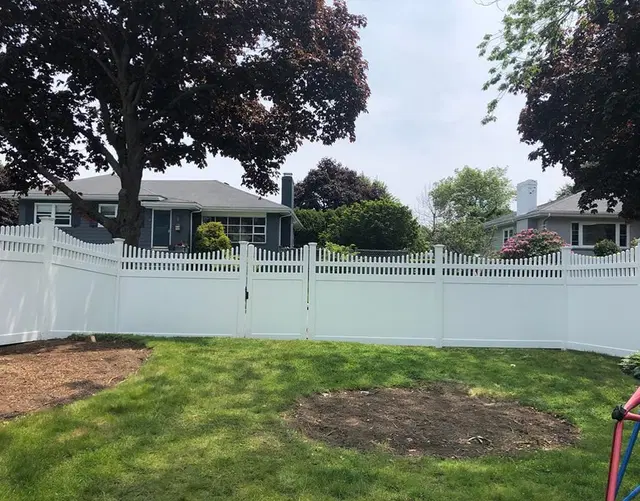

A well-designed fence can improve privacy, establish clear outdoor boundaries, protect children and pets, and create a more finished appearance for your property. However, selecting a fence involves more than choosing a style from a catalog. You must consider the property’s layout, intended use, material durability, local requirements, and long-term maintenance.
When planning fence installation in Concord, MA, homeowners should begin by identifying what they want the fence to accomplish. A backyard privacy fence requires different features from a decorative front-yard fence or an enclosure intended to keep pets safely within a designated area.
Understanding these differences helps you select an appropriate design and prepare for a smoother installation.
Identify Your Fence’s Primary Purpose
Before comparing materials, determine how the fence will function.
Privacy: Homeowners who want to create a more secluded backyard often prefer taller fences with limited gaps between boards or panels. The design should complement the house while meeting applicable height and placement requirements.
Pet and child safety: A fence intended to contain pets needs an appropriate height, secure gates, and gaps that prevent animals from escaping. Consider your pet’s size, jumping ability, and tendency to dig.
Decorative appeal: Picket fences, ornamental metal designs, and other open styles define outdoor spaces without completely blocking views. These options are useful when appearance and visibility are priorities.
Property definition: A fence can establish a visible division between neighboring yards or separate gardens, recreational areas, and other parts of a property. Accurate boundary information is especially important before installation.
Clearly defining your priorities makes it easier to compare options without paying for features you do not need.
Choosing Fence Materials for Concord Homes
New England weather exposes outdoor structures to seasonal temperature changes, moisture, snow, and occasional severe storms. Your fence material should suit these conditions and your willingness to perform routine maintenance.
Wood Fencing
Wood offers a traditional appearance and accommodates many styles, including privacy panels and picket designs. It also provides flexibility in height, spacing, and finish.
However, wood requires periodic inspection and maintenance. Depending on the species and finish, staining, sealing, cleaning, or replacing damaged boards helps maintain its condition.
Keep wood fencing away from unnecessary soil contact and address drainage problems that leave posts or boards persistently wet.
Vinyl Fencing
Vinyl fencing provides a clean appearance with relatively limited routine maintenance. It does not require regular painting or staining, making it attractive to homeowners who prefer simpler upkeep.
Material quality, installation methods, and support requirements influence durability. Ask how the selected system performs in cold weather and whether its design accommodates the expected site conditions.
Aluminum Fencing
Aluminum fencing works well when visibility and decorative appeal are important. Its open design suits many front yards, landscaped areas, and properties where an enclosed appearance would feel restrictive.
It generally requires less maintenance than traditional wood, although fasteners, gates, and finishes still deserve periodic inspection.
Chain-Link Fencing
Chain-link fencing is a practical option for enclosing yards, utility areas, and pet spaces. It provides visibility and a functional boundary, with optional features available for different security and appearance needs.
Consider the desired level of privacy before choosing this material, since standard chain-link designs remain open.
Check Property Lines and Local Requirements
One of the most important steps before fence installation is confirming where the fence belongs.
Do not rely solely on existing fences, landscaping, or informal agreements to determine your property boundary. Review your recorded plot plan or property survey to identify the boundary. When the documents are unavailable, outdated, or unclear, consult a qualified land surveyor before construction.
You should also review applicable Concord zoning requirements, including fence height, placement, visibility near driveways, and any restrictions affecting your property. Historic-district requirements, easements, and neighborhood agreements may introduce additional considerations.
Contact the appropriate local department to verify current rules and permit requirements. If the property is part of a homeowners association, review its guidelines before selecting a design.
Addressing these questions early reduces the risk of relocation expenses or disputes after installation.
Prepare the Yard Before Installation
A site assessment helps identify conditions that influence the work.
Discuss the location of trees, retaining walls, slopes, existing structures, and drainage paths. Uneven terrain can affect panel alignment, while obstacles may influence post placement.
Before digging, arrange the required underground utility marking through Massachusetts Dig Safe. State law requires you to premark the proposed excavation area and notify Dig Safe by calling 811 at least 72 business hours before digging, excluding weekends and legal holidays. The notification is free, and excavation must not begin before the authorized start time. Remember that some privately owned utility lines may not be covered by the service, so additional locating may be necessary.
Fence-post depth is another important installation consideration in New England. Posts must extend below the applicable frost line to reduce the risk of frost heave, shifting, and leaning during winter. The required depth depends on local ground conditions, fence design, post dimensions, and applicable requirements. Have your fencing professional determine the appropriate depth before installation.
Depending on the fence design and soil conditions, concrete footings may be used to anchor posts securely. Proper footing dimensions, drainage, and installation methods help maintain stability through seasonal ground movement.
Clear access to the installation area and communicate any special landscaping concerns. These practical steps help the installation team work more efficiently.
Consider Gate Hardware and Installation Costs
Gates require particular attention because their weight and frequent movement place additional stress on posts, hinges, and fasteners. Select gate hardware, including hinges and latches, that is appropriately rated for the gate’s weight and dimensions. Properly sized hardware and adequately supported gate posts help reduce sagging and alignment problems over time.
Before approving the project, request a detailed estimate that explains the expected costs. Fence material, total length, height, terrain, post spacing, concrete footings, gates, hardware, site preparation, and removal of an existing fence can all affect the final price.
Ask whether the estimate includes labor, materials, permits where applicable, and cleanup. Comparing itemized estimates helps you understand the differences between proposals and select an installation plan that fits your budget.
Maintain Your Fence After Installation
Routine maintenance extends the useful life of your fence.
-
A. Inspect posts, fasteners, and gates for looseness.
-
B. Remove soil, leaves, and debris that trap moisture.
-
C. Clean vinyl and metal surfaces as recommended.
-
D. Refinish wood when its protective coating begins to deteriorate.
-
E. Check gate hinges and latches for proper operation, and watch for sagging or misalignment.
-
F. Inspect sections after strong winds or heavy winter weather.
Promptly addressing small problems helps prevent larger repairs.
Invest in a Fence That Fits Your Property
Successful fencing balances appearance, functionality, durability, and compliance with local requirements. Choosing the right material and confirming the installation layout before work begins helps protect your investment.
If you are considering a new fence for your Concord home, evaluate your privacy needs, property boundaries, maintenance preferences, and local restrictions first. Discuss the available options with a qualified fencing professional and establish an installation plan that suits your property and long-term goals.