
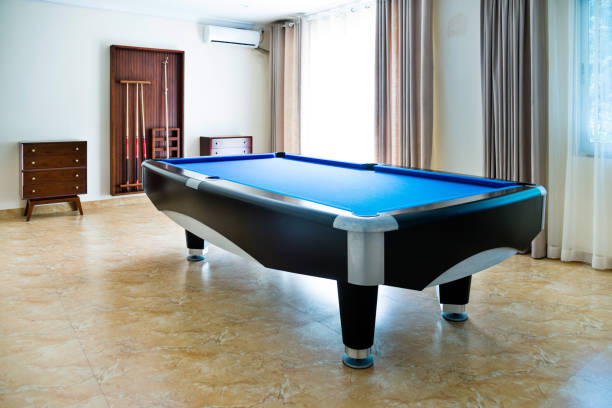

A pool table is more than a piece of furniture. It is a precision playing surface with multiple heavy components that must remain properly aligned for accurate gameplay. Whether you are redesigning a game room, moving into a new home, or relocating a table to a recreational facility, careful handling is essential. In Yakima, WA, homeowners should consider the table’s construction, room dimensions, and transportation requirements before planning a move.
Unlike ordinary furniture, pool tables contain slate sections, a substantial frame, specialized cushions, and a carefully leveled playing surface. Hiring experienced pool table movers in Yakima, WA helps you manage these challenges while reducing the risk of damage during disassembly, transportation, and reinstallation. Understanding the moving process also helps you prepare your space and make informed decisions about protecting your investment.
Why Pool Tables Require Specialized Moving Services
Pool tables are heavy, precisely assembled structures. Depending on the table’s size and construction, its total weight can range from approximately 600 to 1,000 pounds or more, with slate sections accounting for a substantial portion of that weight. Their weight is distributed across the frame, legs, and playing surface, so lifting or carrying them incorrectly creates unnecessary stress on individual components.
The slate configuration also affects the moving process. Some tables have a single slate playing surface, while others use three separate slate sections. One-piece slate tables require different lifting and transportation arrangements from three-piece slate tables, whose individual sections must be handled carefully and reassembled with precise alignment. Identifying the slate configuration before requesting a quote helps movers determine the equipment, labor, and handling procedures required.
A professional moving process typically includes several important steps:
A. Component Disassembly
Removing pockets, rails, legs, and other components in an organized sequence.
B. Slate Protection
Handling slate sections carefully to prevent chips, cracks, or other damage.
C. Secure Transportation
Protecting each component with suitable padding and positioning it safely during transit.
D. Accurate Reassembly
Reconnecting the frame and installing the playing surface correctly.
E. Final Leveling
Adjusting the table to create a consistent playing surface.
Each step contributes to the table’s long-term performance. Skipping proper preparation or rushing reassembly often leads to avoidable problems.
Preparing Your Yakima Home for a Pool Table Move
Good preparation makes moving day more efficient. Before the movers arrive, measure doorways, hallways, staircases, and other access points along the planned route. Include tight corners and ceiling clearances when evaluating whether large components can pass through safely.
Clear the route of rugs, boxes, decorative items, and furniture. If the table is located in a basement or upstairs room, identify stairway restrictions early. These details help determine the safest approach for removing the table and transporting its components.
You should also prepare the destination room before reassembly begins. Measure the available floor area and account for the space needed around the table for comfortable cue movement. A room that accommodates the table itself might not provide sufficient clearance for players to take shots from every side. As a general guideline, allow approximately 5 feet of clearance around the table for standard-length cues, although the exact space required depends on the table dimensions and cue length. Shorter cues may be necessary in tighter spaces.
Discuss the table’s condition, approximate dimensions, construction, slate configuration, and any existing damage before the move. Sharing this information helps establish realistic expectations and reduces the likelihood of unexpected complications.
Protecting Slate, Rails, and Other Components
The playing surface deserves particular attention because even small irregularities can affect ball movement. Slate sections require careful lifting and secure support. Dropping them, striking their edges against hard surfaces, or placing uneven pressure on them increases the risk of damage.
Rails and cushions also require protection. Damaged cushions can produce inconsistent rebounds, while improperly handled rails can develop alignment problems during reassembly. Pockets, hardware, and decorative pieces should be organized so that small components are not misplaced.
Experienced pool table movers in Yakima, WA understand that transporting the table safely is only part of the job. Maintaining the relationship between its individual components during reassembly is equally important.
Before hiring a moving service, ask whether it carries appropriate insurance or other coverage for accidental damage during handling and transportation. Confirm what the policy covers, whether any exclusions or deductibles apply, and how damage claims are handled. Requesting this information in advance helps you understand the protection available for your table and make a more informed decision when comparing providers.
Why Proper Releveling Matters After Relocation
A table that looks level is not necessarily ready for accurate play. Small differences in floor height, frame alignment, or slate positioning can influence how balls travel across the surface.
After installation, the table should be checked for levelness and structural stability. The slate must sit correctly, and the playing surface should be inspected for imperfections. If the table requires new cloth, the condition of the existing material should also be evaluated. Relocation is a practical time to consider recovering the table because the cloth must be removed during disassembly on many tables, making it easier to inspect the slate and complete the installation with new material before reassembly is finished. Discuss cloth replacement with the movers beforehand so the work can be included in the estimate and schedule.
Releveling is especially important when moving a table between rooms with different flooring or into a property with uneven floors. Correct installation supports consistent gameplay and helps prevent frustration caused by unexpected ball movement.
Choosing the Right Moving Approach in Yakima
Before selecting a service, ask about experience with your particular table type, slate handling procedures, transportation protection, insurance coverage, and post-move leveling. Clarify whether disassembly, reassembly, and cloth replacement are included in the proposed work.
Compare estimates based on the services provided rather than price alone. Staircases, difficult access, unusually large tables, and additional restoration requirements can affect the overall cost. Providing details about the table’s slate configuration and condition helps movers prepare a more accurate estimate.
Conclusion
Moving a pool table safely requires careful planning, specialized handling, and precise reassembly. From protecting heavy slate sections to checking the final playing surface, every stage influences the table’s condition and performance. Homeowners planning a relocation should evaluate access routes, prepare the destination room, and choose qualified professionals who understand the equipment.
If you are preparing for a pool table relocation in Yakima, WA, arrange a professional assessment, discuss your table’s requirements, confirm the available insurance coverage, and schedule the move before moving day approaches. Taking these steps helps protect your equipment and prepares your game room for enjoyable, reliable play.