
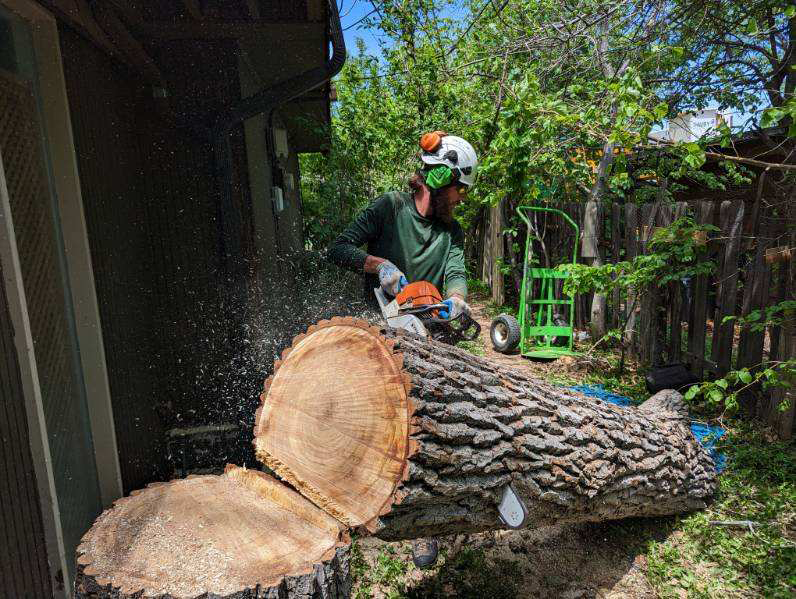

There is a persistent misconception that trees, as long-lived organisms that manage perfectly well in bushland without human intervention, do not really need professional management in garden and urban settings. The reality is quite different. Urban and garden trees grow in conditions that are fundamentally different from natural bush settings — they deal with soil compaction from foot traffic and vehicles, competition from lawns and garden plants, proximity to buildings and hard surfaces that affect drainage and root development, and pruning decisions made at various points in their history that have shaped their current structure.
The combination of these pressures means that residential trees benefit significantly from professional attention, and residential tree services Bendigo delivered by qualified arborists can make the difference between trees that thrive for decades and ones that decline faster than they should.
The Health Benefits of Professional Pruning
Professional tree lopping and pruning delivers genuine health benefits to the trees receiving it, not just aesthetic or safety outcomes. Removing dead and dying wood stops the spread of decay fungi into healthy tissue. Improving air circulation through the canopy by selective thinning reduces the humid conditions that favour foliar fungal diseases. Removing poorly attached limbs and co-dominant stems before they fail naturally prevents large wounds that create long-term decay pathways into the tree’s core.
Equally important is what professional arborists do not do. They do not remove excessive amounts of live foliage, which starves a tree of photosynthetic capacity and stresses it. They do not make flush cuts that leave no healing collar. They do not top trees — a practice that was once common but is now understood to cause severe long-term structural problems and should never be recommended by a qualified arborist.
Species-Specific Knowledge
Different tree species respond differently to pruning, have different preferences for timing within the annual cycle, and have different risk profiles for specific diseases that can be introduced through pruning wounds. Eucalypts, for example, have specific timing windows for pruning that minimise the risk of silver-leaf fungus infection. Stone fruits in domestic orchards benefit from summer pruning in specific conditions. Native species that provide habitat for birds and insects have ecological considerations alongside arboricultural ones.
A qualified arborist brings species-specific knowledge to every assessment — advice tailored to the actual trees on your property rather than generic guidance that applies equally to all trees regardless of species.
Long-Term Tree Planning
The most beneficial relationship between a homeowner and an arborist is an ongoing one rather than a series of one-off interventions. Annual or biennial inspections allow problems to be caught early, when the range of management options is widest and the cost of intervention is lowest. They also allow the arborist to monitor how previously treated trees are responding and to adjust management approaches based on observed outcomes.
Building a Relationship with TBS Trees
TBS Trees works with Bendigo homeowners as ongoing tree management partners — not just providers of occasional services. Their team provides honest assessments, clear recommendations, and quality work that builds genuine tree health over time. If you have residential trees that you care about and want managed by people who share that care, TBS Trees is the team to call.