
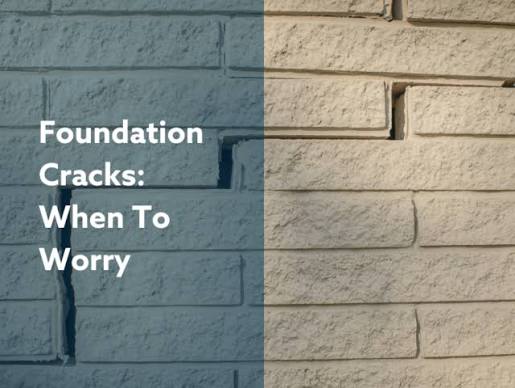

The Feature That Sends Homeowners Into Anxiety Spirals
Few home discoveries create the immediate anxiety that a foundation crack does. The word ‘foundation’ carries the weight (literally and figuratively) of the entire home, and a crack in any form seems to threaten the structural integrity of everything above it. The reality is considerably more nuanced: most foundation cracks are normal, expected, and structurally insignificant. A smaller number indicate developing problems that warrant monitoring or repair. A small number require prompt professional attention.
Knowing which category a crack falls into prevents both unnecessary panic and dangerous dismissal of genuinely significant problems.
Shrinkage Cracks: Normal, Universal, Expected
Concrete shrinks as it cures. All concrete shrinks. The shrinkage creates internal stresses that, when the concrete can’t move without resistance, produce cracking — most commonly fine, shallow, hairline cracks distributed across the concrete surface that don’t follow any pattern related to load or structural stress.
Shrinkage cracks in poured concrete basement walls are typically vertical or slightly diagonal, narrow (less than 1/8 inch at their widest), and not associated with displacement (the wall surface on both sides of the crack is flush, not offset). These cracks don’t indicate structural problems. They can be sealed to prevent moisture intrusion (using polyurethane injection or appropriate sealant) but don’t require structural repair.
Settlement Cracks: Common but Worth Monitoring
All foundations settle to some degree as the soil below them adjusts to the building’s weight. Settlement cracks appear at stress concentration points — corners of window and door openings (where diagonal cracks radiate from the corner), at transitions in wall thickness, and at construction joints.
The key distinction between settlement cracks that are complete (the building has settled and the crack has stabilized) and those indicating ongoing settlement (the crack is widening, new cracks are appearing, doors and windows are beginning to stick or no longer close properly): monitor cracks over time by marking the ends with pencil and the date. A crack that doesn’t change over 6–12 months has stabilized. A crack that extends, widens, or is accompanied by new cracks elsewhere may indicate ongoing differential settlement that warrants professional structural assessment.
Horizontal Cracks: The Most Serious Type
Horizontal cracks in basement walls — particularly in concrete block (CMU) foundation walls — are the most serious crack type and the one that warrants immediate professional evaluation. Horizontal cracks indicate lateral pressure from soil outside the wall exceeding the wall’s structural resistance, which can progress to wall inward movement and eventual failure.
The cause is usually saturated soil exerting hydrostatic pressure, frost heave in cold climates, or inadequate drainage that concentrates water pressure at the wall. Wall movement (the crack opens, the wall bulges inward at the crack) is the signal that active failure is occurring. Even without visible movement, horizontal cracks should be evaluated by a structural engineer rather than treated as a cosmetic issue.
Getting a Professional Assessment: What It Involves
A structural engineer’s foundation assessment ($300–$600 for a residential evaluation) produces a written report distinguishing cosmetic from structural cracks, identifying whether any cracks indicate active movement, recommending monitoring protocols for stable cracks, and specifying repair requirements for structurally significant cracks.
This assessment is more valuable than a waterproofing contractor’s free assessment — waterproofing contractors have financial incentive to recommend work and may not distinguish between structural problems (which waterproofing doesn’t fix) and moisture problems (which waterproofing addresses). A structural engineer’s opinion is independent and specific to the structural question. When a crack is ambiguous, this is the investment that distinguishes expensive concern from appropriate action.