

The Data That Transforms Guesswork Into Results
Most gardeners amend their soil by feel and general advice — add compost, maybe lime if things seem acidic, fertilize when plants look hungry. The results of this approach are better than no amendment but inconsistent, because the specific deficiencies and imbalances in a particular soil aren’t visible to the eye or obvious from plant behavior until they’re significant enough to cause visible symptoms.
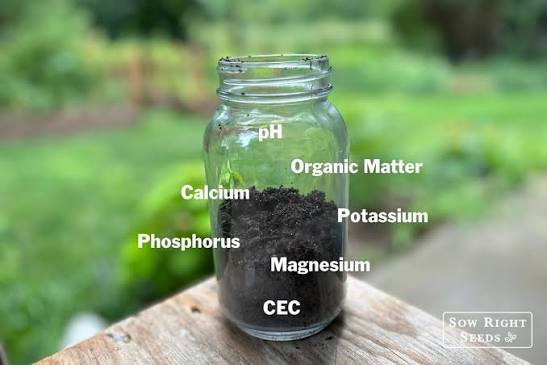
A soil test changes this from guesswork to data-driven management. For $15–$30, you receive a precise measurement of your soil’s pH, available macronutrients (nitrogen, phosphorus, potassium), secondary nutrients (calcium, magnesium, sulfur), and organic matter content — along with specific amendment recommendations for your target crops. This precision eliminates both under-amendment (applying too little because you didn’t know the deficiency was significant) and over-amendment (applying too much phosphorus because you couldn’t know your soil already had adequate levels).
How to Take a Soil Sample Correctly
Soil testing accuracy depends entirely on the sample representing the actual soil where plants will grow. A common mistake is taking a single scoop from one convenient location — a sample that represents one small area rather than the bed or garden zone being tested.
The correct sampling method: use a soil probe or trowel to collect 8–10 small samples from throughout the area being tested, each sample taken from 6–8 inches deep (below the surface layer where fresh amendments and debris create unrepresentative readings). Combine these samples in a clean bucket, mix thoroughly, and take approximately one cup of the combined sample for submission. Label the sample clearly with the location and intended use (vegetable garden, lawn, perennial bed) so the lab’s recommendations are appropriate.
Reading the pH Result: The Foundation of Everything Else
Soil pH (the acidity/alkalinity scale from 0–14, with 7 as neutral) is the most important result in the report because it determines which nutrients are available to plants. At pH extremes — below 5.5 or above 7.5 — nutrients that are physically present in the soil become chemically locked and unavailable for plant uptake, creating deficiency symptoms despite adequate nutrient levels.
Most vegetables, grasses, and common garden plants prefer a pH of 6.0–7.0 (slightly acidic to neutral). Blueberries, azaleas, and rhododendrons prefer 4.5–5.5. If your pH is outside the target range for your intended plants, no amount of fertilizer will fully compensate — adjusting pH is the first priority. Lime (calcium carbonate) raises pH; sulfur lowers pH. The report will specify the recommended rate for your soil type.
Understanding NPK and Secondary Nutrient Levels
The macronutrient levels (N-P-K: nitrogen, phosphorus, potassium) tell you what’s available in the soil. The interpretation requires context: ‘high phosphorus’ is good if phosphorus was previously deficient and you’ve been building it up; it’s potentially a problem if you’ve been adding high-phosphorus fertilizers to soil that was already adequate, because excess phosphorus interferes with zinc and iron uptake and contributes to water quality problems.
Nitrogen is not typically measured accurately in soil tests because it cycles rapidly through organic forms — a test taken today may show different levels than a test taken after rain, tillage, or temperature change. Most soil tests report the nitrogen level as an indicator and make fertilization recommendations based on the organic matter content and the crop’s expected demand rather than on a precise nitrogen measurement.
Creating a Multi-Year Amendment Plan
A single soil test is valuable; testing every 2–3 years reveals the trajectory of soil health under your management practices. A soil that’s pH 5.8 in year 1, 6.2 in year 3, and 6.6 in year 5 is responding to lime applications as intended. A phosphorus level that’s rising year over year despite not adding phosphorus fertilizer may indicate that the nitrogen fertilizers you’re using contain more phosphorus than you realized.
The multi-year view allows you to refine your inputs — reducing or stopping amendments that have brought levels to target, continuing those that are achieving the desired trajectory. This precision produces better plant performance and avoids the unintended consequences of excessive amendment that single-test management can create.