
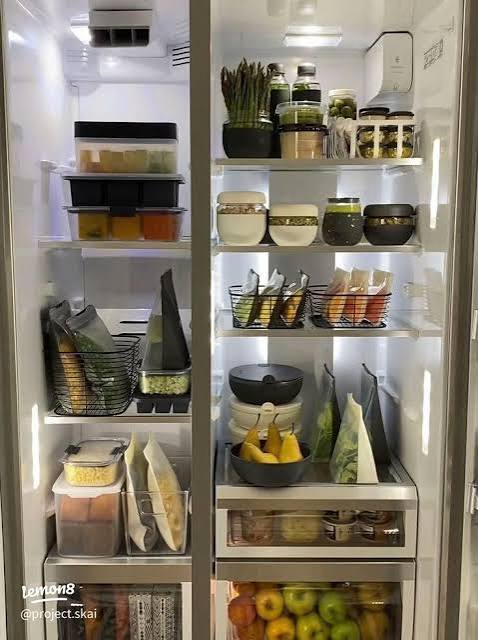

The Refrigerator That Wastes Food vs. One That Prevents It
The average household wastes 30–40% of the food it purchases. A significant fraction of this waste originates in the refrigerator — food that was properly purchased, correctly stored in temperature terms, and then forgotten because it wasn’t visible. The solution isn’t better intention; it’s a refrigerator organization system that makes the food visibility a physical given rather than a behavioral aspiration.
Zone-based refrigerator organization assigns specific categories of food to specific locations and maintains those assignments consistently. When the system is established and maintained, every item’s location is known, expiration sequences are visible, and ‘use soon’ items can’t be buried behind newer purchases.
The Temperature Zones That Determine Food Placement
Most refrigerators have consistent temperature gradients: the door shelves are warmest (5–8°F warmer than the interior), the bottom shelves are coldest, and the middle shelves are at the coldest consistent temperature. Placing food in the correct temperature zone extends its storage life — a common cause of premature spoilage is placing temperature-sensitive foods in the warmest zones.
Door shelves: condiments, butter, and foods that benefit from easy access and tolerate temperature variation. Middle shelves (coldest consistent temperature): dairy, eggs, leftovers, and prepared foods that need the most stable cold temperature. Lower shelves: raw meat and fish (store on the lowest shelf to prevent drip contamination, in a dedicated bin or container). Crisper drawers: produce in humidity-appropriate settings (high humidity for leafy greens, low humidity for fruits and vegetables that produce ethylene gas).
The ‘Use First’ Zone: The Key to Waste Reduction
The single most impactful organizational addition to any refrigerator is a dedicated ‘use first’ or ‘eat this soon’ zone — a specific, visible shelf at eye level where items approaching their end of useful life are staged before they’re needed.
When leftovers are cooked, they go directly to the ‘use first’ shelf. When produce is getting close to its end, it moves to the front of this shelf. When a container is nearly empty, it moves here for consolidation or use. The physical designation of this zone changes the behavior: opening the refrigerator, the eye goes first to the ‘use first’ shelf, making those items the natural first choice for the next meal rather than the forgotten items discovered behind newer purchases.
Containers and Visibility: Clear Trumps Opaque
Opaque containers hide their contents. Hidden food gets forgotten. Forgotten food gets wasted. The container transition with the highest food-waste return is simply replacing opaque containers with clear ones — glass food storage with clear lids, clear produce bins, stackable clear containers for leftovers.
A refrigerator where every container’s contents are visible from outside the container doesn’t require opening anything to take inventory. This visibility allows the meal-planning scan (what do I have that needs to be used?) to happen in 30 seconds rather than through investigative opening of every container. The practical result is regular use of what’s present rather than systematic burial of older items by newer ones.
The Weekly Reset Habit
Every refrigerator organization system drifts from its intended state over a week of use — items are returned to wrong zones, containers stack in front of older ones, and the ‘use first’ shelf accumulates without being used. A weekly reset — taking 10 minutes before the main grocery shop to clear the refrigerator, move items to their correct zones, consolidate partial containers, and discard anything that’s actually past use — maintains the organization system rather than requiring periodic major reorganization.
The weekly reset also informs grocery shopping: what’s actually in the refrigerator is known before shopping, preventing the duplicate purchasing and the ‘I didn’t know we had that’ waste pattern that characterizes households without a weekly reset practice.